


Nepal has two main trekking seasons, either side of the summer monsoon. Each has its own character, and some treks are best outside them.
Seasons at a glance
| Season | Months | What to expect |
|---|---|---|
| Spring | March–May | Warm days, rhododendrons in bloom, some afternoon haze |
| Monsoon | June–August | Rain, leeches and cloud at low altitude; good for rain-shadow areas like Upper Mustang |
| Autumn | September–November | Clear skies and the sharpest mountain views; the busiest season |
| Winter | December–February | Cold nights and snow on high passes; quiet trails at lower altitude |
Autumn: the classic season
After the monsoon washes the air clean, October and November bring the most reliable views. Book flights and lodges early, especially for Everest and Annapurna.
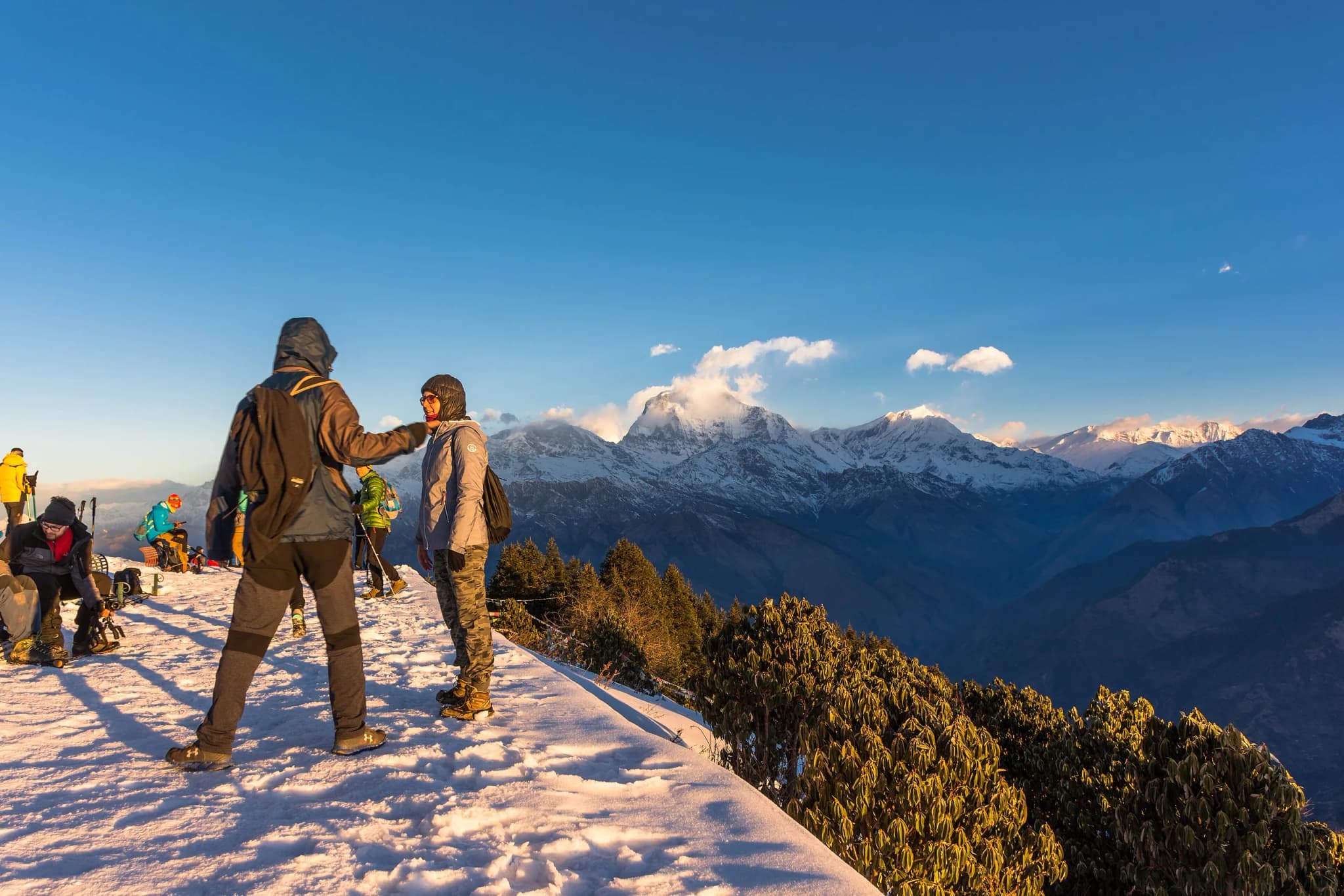
Spring: flowers and warmer nights
From March the hillsides turn red with rhododendron, Nepal's national flower. Mornings are clear and afternoons sometimes cloud over.
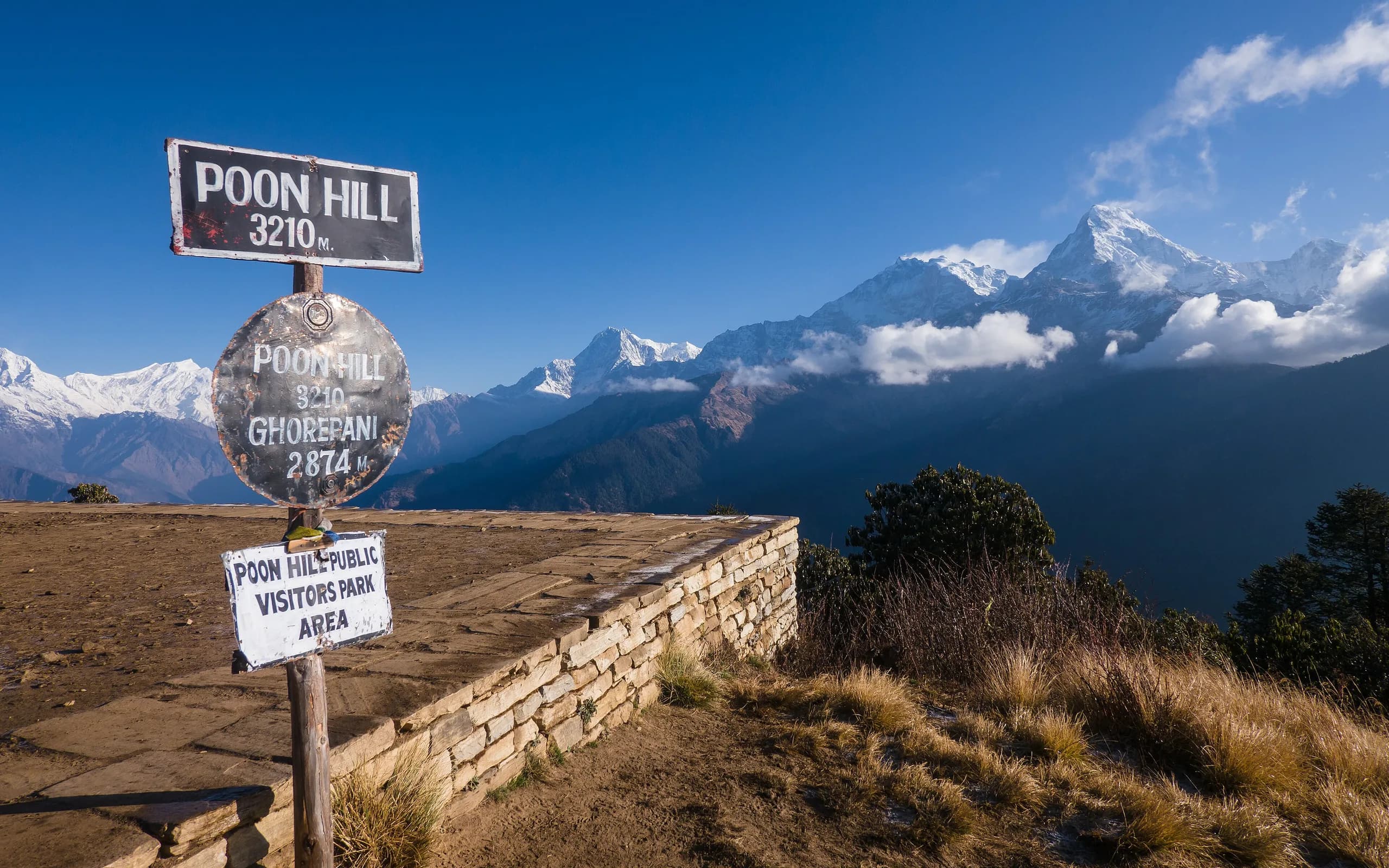
Ghorepani Poon Hill Trek
Explore this trip →Common questions
Can I trek during the monsoon?+
Yes, but expect rain most afternoons, leeches on forest trails and cloud hiding the peaks. Upper Mustang lies in the rain shadow of the Annapurnas and stays mostly dry in summer.
Is winter too cold for trekking?+
Not for lower treks. Poon Hill, Mardi Himal’s lower camps and the Kathmandu Valley are lovely in December and January. High passes such as Thorong La can close after heavy snow.
When are the trails least crowded?+
Early September, early December and late May are quieter than the October and April peaks, with fair chances of good weather.
When should I book?+
For October, November and April, book two to three months ahead so flights to Lukla and lodges on popular routes are available.